
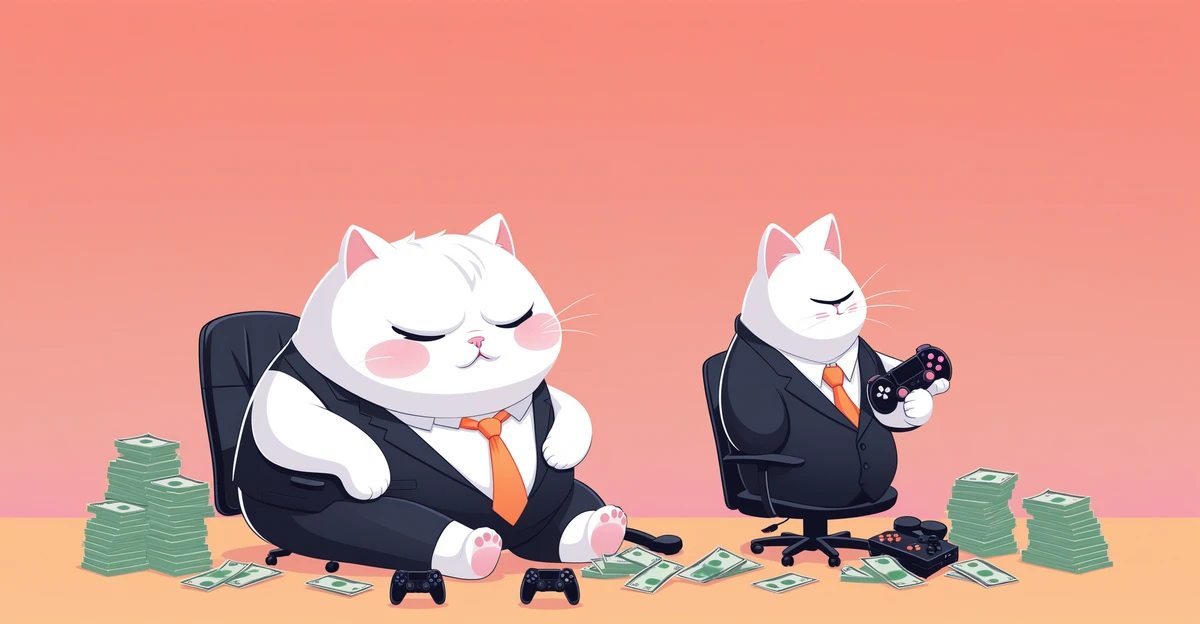
Fortnite has made Epic Games billions of dollars. More than $4 billion a year, in fact. Yet on Tuesday, CEO Tim Sweeney sent a memo to employees announcing over 1,000 job cuts — roughly 20% of the company’s entire workforce. The memo was a masterclass in corporate regret. Somewhere between the “very painful” preamble and the “industry-wide challenges” boilerplate, about a thousand people found out they no longer have jobs.
Let’s talk about what actually happened here, because it’s more interesting than a standard tech-industry layoff story.
The Most Profitable “Struggling” Company You’ve Ever Seen
The numbers don’t add up at first glance. Epic Games generated an estimated $6 billion in revenue in 2025. Fortnite alone brings in around $4 billion annually and sits among the top five most-played PC games on the planet. The game isn’t dead. The game isn’t even declining into obscurity. It’s still massive.
So why is Epic “spending significantly more than it’s making”?
The answer isn’t one thing — it’s a slow accumulation of several very expensive decisions:
- Legal fees that hit harder than expected. Epic’s antitrust battles against Apple and Google over the App Store have been fought across courts in multiple countries for years. The legal costs, combined with lost revenue from being kicked off the iOS App Store in 2020, reportedly exceeded $1 billion combined. Tim Sweeney himself quietly nodded to this in his memo without naming it directly.
- A pandemic hiring spree that never got unwound. Like virtually every major tech and gaming company, Epic hired aggressively during Covid when engagement and revenue spiked. Then the world went outside again. The staff bloat stayed.
- Fortnite engagement genuinely is declining. Not collapsing, but slipping. The live-service game model that Fortnite pioneered is also its biggest risk: it demands constant content, constant updates, and constant attention from an increasingly fractured entertainment audience. TikTok, YouTube, streaming services, and a hundred other games are competing for the same hours.
This Isn’t the First Time
Epic cut 830 employees in September 2023. Sweeney’s message at the time sounded almost identical — regret, talent, difficult decisions, industry headwinds. Now, less than three years later, another 1,000+ people are out. The company is also cutting more than $500 million in additional costs through contracting reductions, marketing pullbacks, and closing open roles.
Workers in Cary, North Carolina — where Epic is headquartered — are particularly affected, with at least 211 local employees losing their positions. Artists, engineers, programmers, designers. The people who build the worlds that hundreds of millions of players inhabit.
The Bigger Picture: Live Service Games Are a Trap
Here’s what makes the Epic situation feel larger than just one company’s balance sheet problems: the entire live-service gaming model is cracking under its own weight.
The dream of “the next Fortnite” has driven publishers to spend hundreds of millions developing multiplayer games, launching them, watching them underperform against the existing giants, and then shutting them down within months. Ubisoft’s XDefiant lasted a few months before shutdown. Numerous other big-budget live service titles have met similar fates recently.
The industry is discovering something unpleasant: there’s only room for a handful of dominant live-service games at any given time, and toppling Fortnite, Minecraft, Roblox, or Call of Duty requires either a genuinely revolutionary concept or an almost impossible combination of luck and timing. The path to becoming the next Fortnite runs directly through the cemetery of games that tried.
Meanwhile, Fortnite itself is aging. The audience that built it is growing up, attention is fragmenting, and the cultural velocity that carried the game through the late 2010s has inevitably slowed. Epic isn’t failing — it’s adjusting to a reality that took longer than expected to arrive.
What This Means for Gaming in 2026
Epic’s layoffs are the latest chapter in a multi-year shakeout that has seen tens of thousands of game industry workers lose their jobs. EA, Microsoft Gaming, Sony’s studios, Ubisoft, Riot, Unity — the list of companies that have cut significant portions of their workforce in the last two years reads like a roll call of the entire industry.
The pattern points to a structural problem, not just a cyclical one:
- Game development costs have exploded. AAA games now routinely cost $100–300 million to make, requiring massive commercial success just to break even.
- Console sales growth has stalled. The hardware cycle that used to reliably boost game sales every few years is delivering diminishing returns.
- Attention is finite and more contested than ever. Games are no longer just competing with other games — they’re competing with everything.
- The live-service gamble only works until it doesn’t, and most bets don’t pay off.
None of this means gaming is dying. The Switch 2 launches this spring with a packed lineup. Indie games continue to flourish. New genres keep emerging. But the era of infinite growth assumptions — the Covid-era logic of “everyone plays games forever now” — is fully, definitively over.
The Human Cost
It’s worth pausing on the human element here, because the numbers are easy to scroll past. Over a thousand people prepared for work on Tuesday and received news that their jobs are gone. These are not abstract figures on a spreadsheet. They’re writers, artists, coders, designers who built careers around something they presumably loved.
Epic’s severance package — at least four months of base pay plus extended health insurance — is more generous than many tech layoffs. That’s worth acknowledging. But it doesn’t change the disorientation of becoming unemployed because a company that made billions of dollars spent slightly more than it made.
The video game industry’s layoff crisis has generated a lot of commentary about corporate strategy, market conditions, and financial modeling. Less often discussed: the creative talent being eroded from studios across the world. The games that won’t get made. The ideas that won’t get developed.
Fortnite is still here. Epic is still here. The industry is still here. But it’s smaller than it was yesterday, and the people who made it what it is deserve more than a memo full of sympathetic language and a four-month runway.
Sources
- The Guardian — Epic Games lays off more than 1,000 staff
- WRAL News — Epic Games to cut 1,000 jobs in Cary
- Epic Games — Today’s Layoffs (official statement)
🐾 Visit the Pudgy Cat Shop for prints and cat-approved goodies, or find our illustrated books on Amazon.