Spotify has over 600 million users and 100 million tracks. The odds of you discovering something genuinely new by browsing randomly are effectively zero. So the company built an algorithm to do it for you. The algorithm is, by most metrics, astonishingly good at its job.
The question that nobody in the music industry is asking loudly enough is: good at whose job, exactly?
How the Algorithm Actually Works
Spotify’s recommendation engine runs on three main inputs: collaborative filtering (what people with similar taste to you are listening to), natural language processing on music journalism and blogs to extract genre and mood associations, and raw audio analysis to identify BPM, key, energy, danceability, and similar acoustic features.
Every song you skip, every time you replay something, every playlist you add to, every session start and stop feeds back into the model. Spotify knows what you listen to at 6 AM versus what you put on at midnight. It knows if you tend to finish jazz albums or bail after one track. It knows if you discovered Radiohead through Discover Weekly and then binged their back catalog for three weeks.
Discover Weekly, Spotify’s flagship personal playlist, has been running since 2015. The company has said it has a 40-minute limit specifically because that is about the length of a commute. The algorithm is not just matching you with music. It is matching you with music at a specific runtime designed to fit a specific behavioral pattern.
The Filter Bubble Problem
Here is where it gets complicated.
The algorithm optimizes for engagement. You keep listening, you engage, you stay on the platform. The problem is that the most reliable way to keep someone listening is to serve them more of what they already like. Not exactly the same thing, but within a comfortable distance of it.
Over time, this creates what researchers have started calling “preference calcification.” Your tastes narrow, not because you decided they should, but because the path of least resistance has been optimized to keep you in a groove you are already in. A 2022 study from the University of Amsterdam found that after six months of heavy algorithm-driven listening, participants showed measurably narrower musical variety compared to their listening habits before they started using recommendation features heavily.
This is not unique to music. The same dynamic plays out on video platforms, news aggregators, and social media. The nostalgia wave currently sweeping the internet is partly a reaction to years of algorithmic feeding producing a kind of cultural sameness that feels hollow in retrospect.
Who the Algorithm Benefits (and Who It Does Not)
Spotify’s algorithm is very good at amplifying artists who already have momentum. If you already have 50,000 monthly listeners, the algorithm is more likely to put you in front of the next person who will become a fan. The rich get richer, in attention terms.
For genuinely new or obscure artists, the algorithm is effectively a wall. Without a base of listeners to create collaborative filtering signals, you are invisible. Getting on a human-curated editorial playlist like “New Music Friday” is transformative for a small artist, but those slots are finite and competitive. The algorithm cannot help you if nobody has found you yet.
This explains part of why vinyl and independent physical distribution have resurged among underground scenes. If the dominant discovery mechanism systematically excludes you, you build different distribution channels. You press 500 records, sell them at shows and through Bandcamp, and build a fanbase that the algorithm did not create and cannot take away.
The Royalty Distortion
The algorithm shapes not just what listeners hear but what artists make.
Spotify pays per stream. To maximize streams, artists benefit from shorter songs (more total plays per hour of listening), fast hooks that prevent skips in the first 30 seconds (since you need to hit 30 seconds for the play to count as a stream), and ambient or background-friendly music that people leave on while working.
The average song length dropped from around 4 minutes in 2000 to under 3:30 by 2022. This is not because musicians suddenly got better at editing. It is because the economics of streaming reward brevity. The same economic distortion that affects gaming studios, where platforms shape creative decisions through their payment structures, applies equally to music.
The Counterarguments (They Exist)
To be fair to Spotify’s actual impact: there are real ways the algorithm has expanded listening for a lot of people.
Radio was worse. AM/FM programming is notoriously conservative, locked into safe, tested formats that repeat the same 40 songs. Discover Weekly, even with its filter bubble tendencies, exposes more listeners to more variety than most commercial radio ever did.
The algorithm has also been genuinely effective at surfacing global music to listeners who would never have found it otherwise. K-pop broke into Western markets partly through algorithmic promotion. Nigerian Afrobeats went from regional to global in under a decade. Latin urban music reached demographics that traditional radio would not have touched. These are real expansions of musical geography that the old gatekeepers would not have permitted.
What to Do With This Information
The most honest thing Spotify could do would be to give users a “randomness dial,” letting them choose how much they want the algorithm to push them outside their existing preferences versus serve more of the same. Some users want comfort. Some want challenge. The current system is optimized for one thing: time on platform.
In the meantime, the practical answer is to resist convenience occasionally. Browse Bandcamp’s “just posted” section. Go to local shows. Follow music journalists with weird taste. Ask friends what they have been listening to. The algorithm is a useful tool. It becomes a problem when it is the only tool.
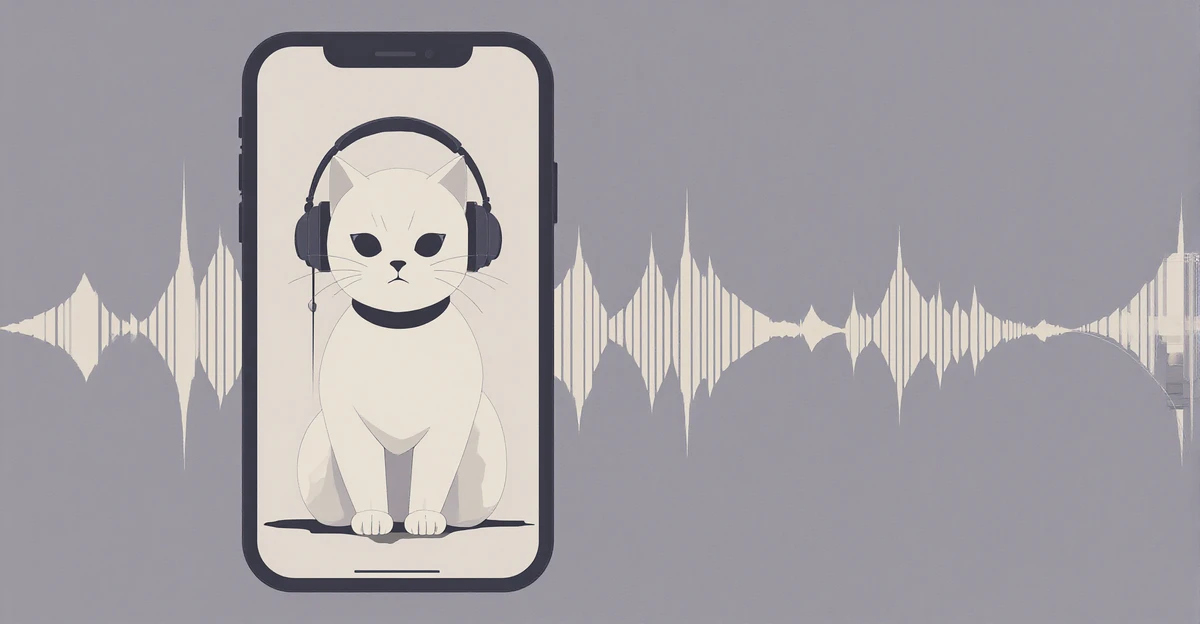
The cat on the cover of this post is wearing headphones. It is listening to what it chose, not what it was served. There is a meaningful difference.
Sources: Spotify Loud & Clear 2023 annual transparency report; University of Amsterdam “Algorithmic Preference Calcification” study 2022; MusicWatch streaming behavior data 2023; Rolling Stone analysis of average song length trends 2022.
🐾 Visit the Pudgy Cat Shop for prints and cat-approved goodies, or find our illustrated books on Amazon.