 English
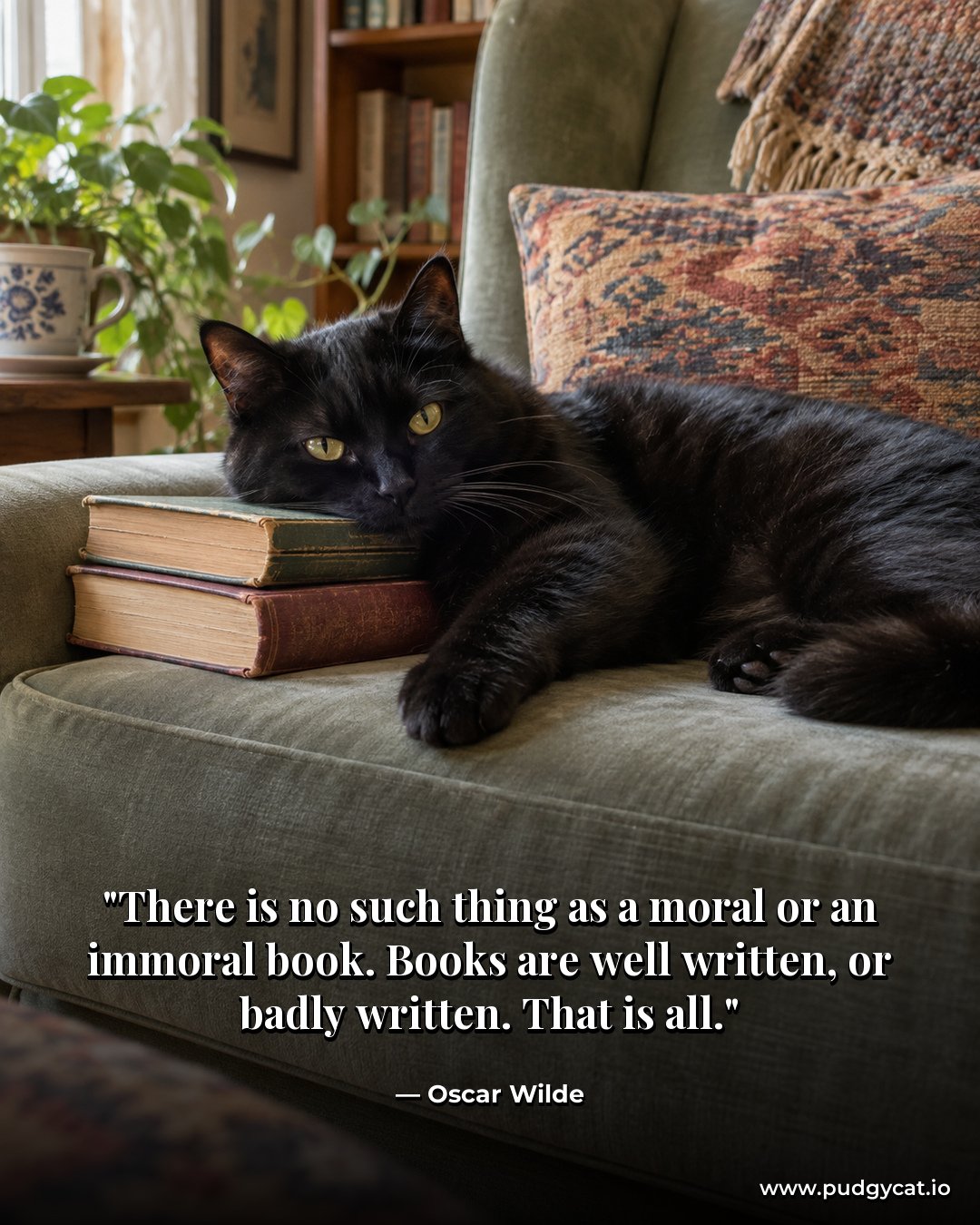
There is no such thing as a moral or an immoral book. Books are well written, or badly written. That is all.
Oscar Wilde
Source, The Picture of Dorian Gray, Preface
Why This Quote Matters
Oscar Wilde places this declaration in the Preface to The Picture of Dorian Gray. It argues for judging books as works of art rather than reducing them to a verdict on their moral respectability. The formulation is deliberately absolute. Its purpose is to disturb a familiar habit of criticism: treating what a book depicts as though that alone establishes either its literary quality or its author's approval.
The distinction remains useful when a difficult character or unsettling subject becomes a reason to stop examining how a work is made. Style, structure, voice, and the relation between what is said and what is shown can change the meaning of the material. Wilde's position is open to argument; the sentence does not make questions about art's effects disappear. It insists that criticism must actually read the book, rather than replacing the work with a summary of whether its contents sound morally comfortable.
The black cat reclining beside well-worn books offers a pleasingly relaxed presence next to a combative literary claim. The chair has room for the volumes without holding a tribunal over them. Human readers can bring more discrimination than that, but they may still need the reminder. Before condemning or celebrating a book for the company it appears to keep, there are sentences inside it waiting to be considered.
More Cat Wisdom