
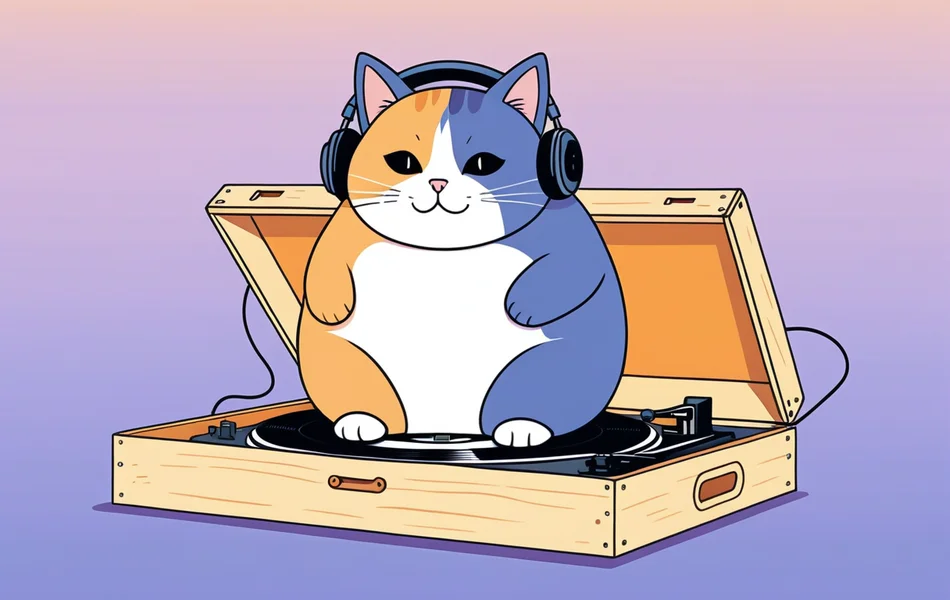
On April 18, thousands of people will wake up at an unreasonable hour, stand in line outside a small shop they probably drive past every week, and hand over cash for a format the tech industry declared dead two decades ago. Record Store Day 2026 is almost here. And this year, it might be the wildest one yet.
Vinyl Just Hit a Number Nobody Expected
Here is the part where context matters. In 2025, vinyl record sales in the United States crossed the $1 billion revenue mark for the first time since 1983. Let that sink in. The last time vinyl pulled those numbers, Reagan was president, the Walkman was cutting-edge technology, and nobody had heard of the internet. Total units sold climbed to nearly 47 million, a 9.3% jump from the previous year, marking the 19th consecutive year of growth for a format most people assumed would end up in a landfill next to LaserDisc.
Meanwhile, CDs dropped another 7.8%. Digital downloads kept sliding. Streaming still dominates with $9.47 billion of the $11.5 billion U.S. recorded music market, but vinyl is the only physical format that refuses to die. It is not just surviving. It is thriving in a way that makes zero logical sense, and that is exactly why people love it.
350 Exclusive Releases, One Saturday Morning
Record Store Day works on a simple premise: exclusive vinyl pressings, available only at independent record shops, on one single day. No online orders. No Amazon. You show up, you dig, you find it or you don’t. This year’s catalog runs over 350 titles deep, with Bruno Mars serving as the 2026 RSD Ambassador.
The headline releases read like a music nerd’s fever dream. Pink Floyd is putting out a vinyl edition of their 1975 live recording from the Los Angeles Sports Arena, previously only available in a 50th anniversary Blu-ray box set. Bruce Springsteen is dropping a five-disc live set from Sea.Hear.Now 2024, his first physical release of that Asbury Park performance. Bruno Mars himself is getting a Collaborations LP that collects all his hit features (including “Uptown Funk” and “Die With a Smile”) on wax for the first time.
But the truly strange stuff is where Record Store Day earns its reputation. If you thought vinyl was just for classic rock dads, think again.
Liquid-Filled Vinyl and a Lost Album That Took 18 Years
Sleep Token, the masked band that somehow turned anonymous identity into one of 2025’s biggest stories, is releasing “Caramel” (the New York Times’ #1 song of 2025) on a 12-inch liquid-filled vinyl. Not a colored pressing. Not a picture disc. A record with actual liquid sealed inside it. Only 3,000 copies exist. The B-side features an instrumental version of “Emergence” that was previously only available in Japan. Good luck getting one.
Then there is the release that has been haunting music forums since 2008. Look Outside Your Window, the mysterious experimental album recorded by Slipknot members Corey Taylor, Jim Root, Clown, and Sid Wilson during the All Hope Is Gone sessions, will finally see the light of day. After 18 years of teases, leaks, and broken promises, the album is arriving as a self-titled project (not under the Slipknot name) limited to just 2,300 copies. Members have described it as having a “Radiohead vibe,” which is exactly the kind of sentence that makes your brain short-circuit when you remember these are the same people who wear horror masks and hit kegs with baseball bats on stage.
And because Record Store Day has never met a gimmick it didn’t love, The Rolling Stones are releasing an RSD3 mini turntable bundle: a tiny, functional record player packaged with a crate and collectible 3-inch singles of tracks like “Honky Tonk Women” and “Get Off of My Cloud.” Only 2,500 units. It is absurd, it is charming, and it will absolutely sell out before 10 AM.
Why People Camp Out for Plastic Discs in 2026
The obvious answer is nostalgia, but that is too easy. Nostalgia explains why people are obsessing over early internet culture and why platforms like SpaceHey are trying to recreate the MySpace era. It does not fully explain why Gen Z, a generation that grew up with Spotify and Apple Music, is driving a significant chunk of vinyl’s growth.
Something else is happening. In a world where everything is algorithmic, where your streaming service decides what you hear next, buying a record is an act of deliberate choice. You pick it. You hold it. You flip it over halfway through. There is no autoplay, no skip button, no “listeners also enjoyed” sidebar. Just you and the music.
There is also the collector psychology at play. When Sleep Token presses only 3,000 copies of a liquid-filled single, owning one means something. It is a physical artifact in a world that has gone almost entirely digital. The same impulse that makes people romanticize the idea of “catching up” on sleep over the weekend (spoiler: it does not work that way) also makes them believe that owning the vinyl version is the “real” way to experience music. It is irrational. It is human.
The Paradox of Scarcity in the Age of Everything
Here is the question nobody is asking: what does it mean when the most exciting thing in music retail is artificial scarcity? Every single one of those 350 releases will eventually be streamable. The Pink Floyd concert is already on Blu-ray. Bruno Mars’ collaborations are all on Spotify. The Slipknot side project will inevitably get a wider release if demand is there.
People are not buying the music. They are buying the experience of buying the music. The line at 7 AM. The conversation with the person behind the counter. The gamble of whether your store got the one title you drove 45 minutes to find. In an era where you can have anything instantly, the thing people crave most is the opposite: friction, effort, uncertainty.
It mirrors a pattern we are seeing everywhere online. The same internet that gave us AI systems sophisticated enough to find 500 zero-day bugs is also producing a generation of users who want things that feel tangible, limited, and imperfect. Vinyl pops and crackles. The covers get bent. The records warp if you store them wrong. That is not a flaw. That is the point.
What to Actually Do on April 18
If you are planning to participate, here is the honest advice. Pick two or three titles you genuinely want. Check with your local store ahead of time to see if they are stocking them (most shops post their inventory a few days before). Show up early, but not psychotically early. Bring cash. Browse the regular bins while you are there, because the best finds at record stores are almost never the limited editions.
And if you miss everything? That is fine too. The vinyl will end up on Discogs within hours, marked up 300%. The music will be on your phone regardless. But the morning spent standing outside a record shop, talking to strangers about Slipknot’s Radiohead phase while clutching a number ticket? That part is not available for streaming.
🐾 Visit the Pudgy Cat Shop for prints and cat-approved goodies, or find our illustrated books on Amazon.

Leave a Reply