 English
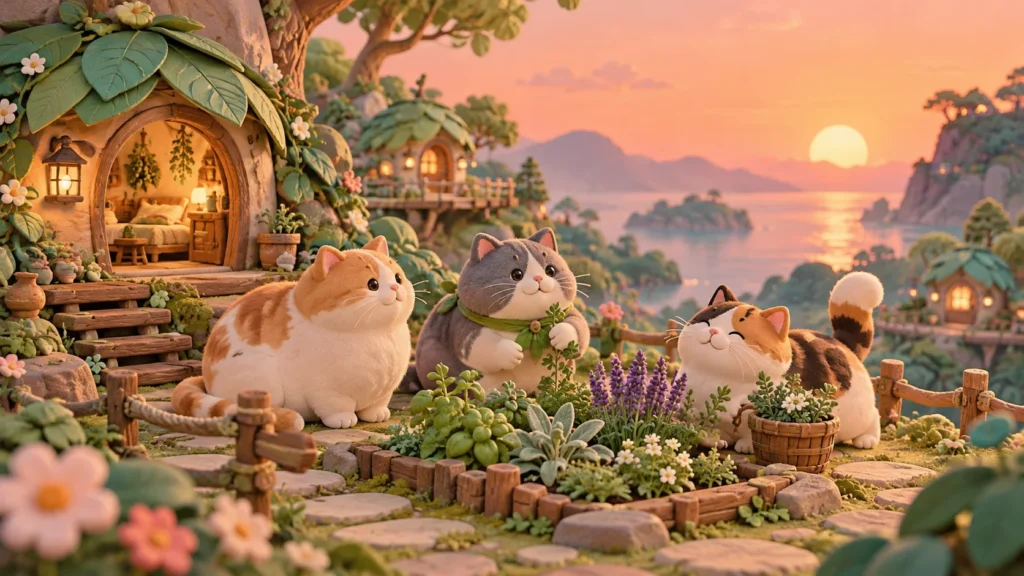
Many games let you move like a cat for a while. Cattails: Wildwood Story asks you to settle into a longer routine: explore, gather what you need and return to a community that is becoming yours.
Falcon Development's life simulation game casts the player as a cat leading a colony into a new territory. It is a standalone sequel to the original Cattails, so the premise does not depend on arriving with years of series knowledge.
A day has several possible uses
The developer's press kit describes hunting, herb gathering, gardening and relationships with other cats. The colony's location and appearance can be customised, and attracting residents helps it grow.
Those activities create different reasons to leave home. One outing might be about finding resources. Another might be about meeting somebody or exploring a place you have not yet visited.
The appeal of this structure is the freedom to set a small objective. You do not have to imagine an entire heroic campaign every time you sit down. A useful plant, a successful hunt or a conversation can supply a manageable goal.
The colony gives progress a place
A settlement changes the meaning of collecting. Resources can connect an excursion to something you are building, while familiar characters give the return journey a social purpose.
Wildwood Story includes friendship and romance, alongside the possibility of raising kittens. These are human-readable life-sim systems expressed through feline characters. They make the colony into a story setting rather than a model of real cat society.
The difference is worth keeping in mind if the cheerful presentation is part of what attracts you. Talking neighbours, organised settlement building and supernatural threats belong to the game's fantasy.
Cozy does not mean nothing happens
The developer also describes combat against hostile Voidling Cats. That gives the new home a source of danger and a mystery beyond its daily tasks.
Players who mainly enjoy decorating or low-pressure routines should look at gameplay footage and the current options before choosing it. A soft visual style does not tell you how every part of a game will feel.
This is one of the useful distinctions in our article on cat simulator design. A feline protagonist can support very different kinds of play, from physical comedy to exploration or long-term planning.
A prospective player can learn a great deal from how the game presents an ordinary day. Look for the balance between travelling, collecting and talking, then ask which of those activities you would enjoy repeating.
A long list of features is less informative than that rhythm. Someone who likes setting their own modest objectives may find the colony appealing, while someone seeking a tightly directed action story may want a different emphasis. The same feline setting can serve very different expectations.
A game for people who like returning
Wildwood Story's strongest invitation is the prospect of becoming familiar with a place. A route that is unknown on the first visit can become part of a daily circuit. A cat initially recognised by appearance can become somebody you intend to seek out.
If that sort of accumulating familiarity is what you enjoy in a life sim, the feline setting gives it a particularly appealing scale: a patch of territory, a home to improve and another reason to go outside tomorrow.