 English
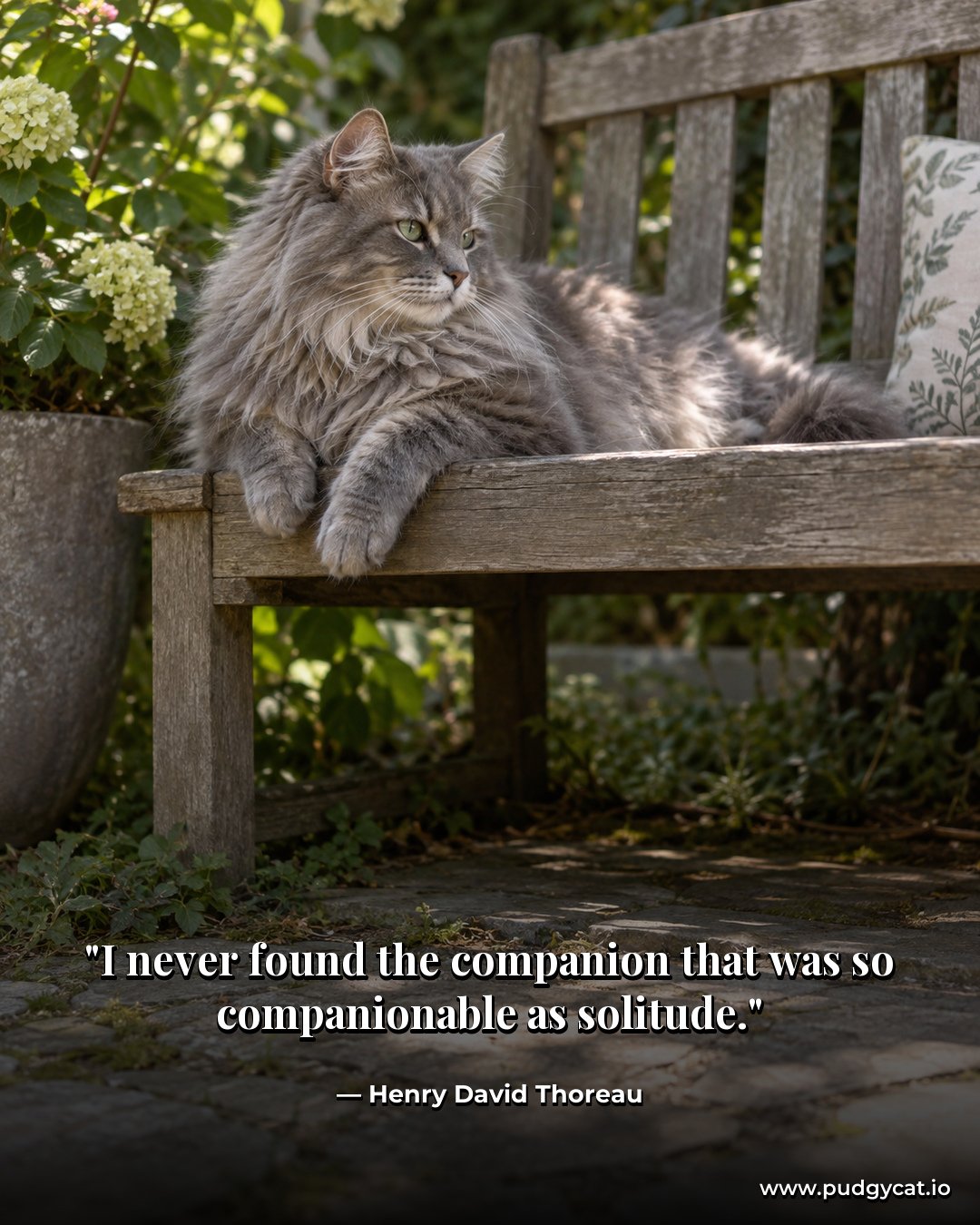
I never found the companion that was so companionable as solitude.
Henry David Thoreau
Source, Walden, Solitude
Why This Quote Matters
In the Solitude chapter of Walden, Henry David Thoreau describes being alone as a form of companionship. The apparent contradiction opens the thought. Solitude is not presented simply as the absence of visitors; it can include attention to a place, a thought, or an experience that becomes harder to hear when conversation occupies all the available space around it.
Chosen time alone is different from unwanted isolation. The quotation is most helpful when it gives permission for the former without pretending to solve the latter. An unfilled hour can be valuable even when nobody witnesses it or asks for a report afterward. Reading, walking, or sitting quietly may return a person to interests that have been repeatedly deferred. Company remains a pleasure, but it need not be the only condition under which an afternoon counts as inhabited.
The long-haired grey cat on a sheltered garden bench gives solitude a calm setting. Greenery, filtered light, and an unhurried animal fill the picture without making it feel empty. We cannot determine the cat's preferences from one photograph. For a human viewer, however, the scene suggests a useful distinction: sometimes the empty place beside you is a lack, and sometimes it is simply room to be where you are.
More Cat Wisdom