 English
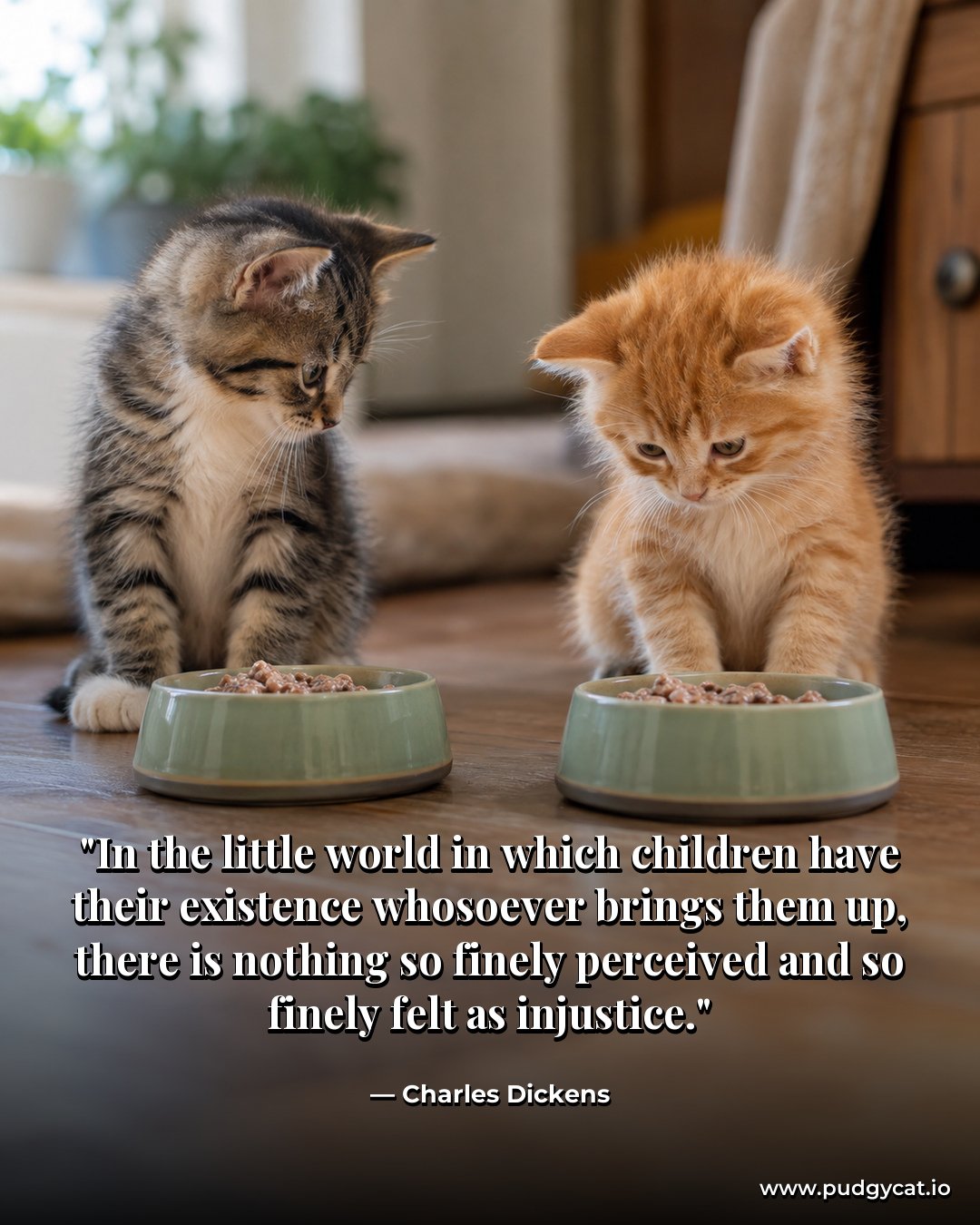
In the little world in which children have their existence whosoever brings them up, there is nothing so finely perceived and so finely felt as injustice.
Charles Dickens
Source, Great Expectations, 8
Why This Quote Matters
In chapter 8 of Great Expectations, Pip's narration considers a child's sensitivity to injustice. Charles Dickens immediately connects the size of the feeling with the size of the child's world. What looks small to an adult may occupy a very large portion of the experience available to someone younger. The sentence is a literary insight shaped by Pip's circumstances, rather than a claim drawn from a psychological study.
Its practical force is an invitation to take another person's scale seriously. Dismissing a hurt as trivial can become a second injury when the person explaining it is already struggling to be heard. That does not require accepting every interpretation as complete or granting every request. It means asking what the incident feels like from within the life in which it occurred. Dickens gives the apparently minor grievance enough room to reveal the power imbalance surrounding it, and the lasting importance of being treated fairly.
The two kittens beside matching food bowls provide a gentle visual joke about comparative justice. One portion is being inspected with considerable interest from across the floor. The scene is light, but the human point deserves care: fairness can be noticed most sharply by the person with the least control over the arrangement. A small bowl may still contain a very large part of somebody's afternoon.
More Cat Wisdom