
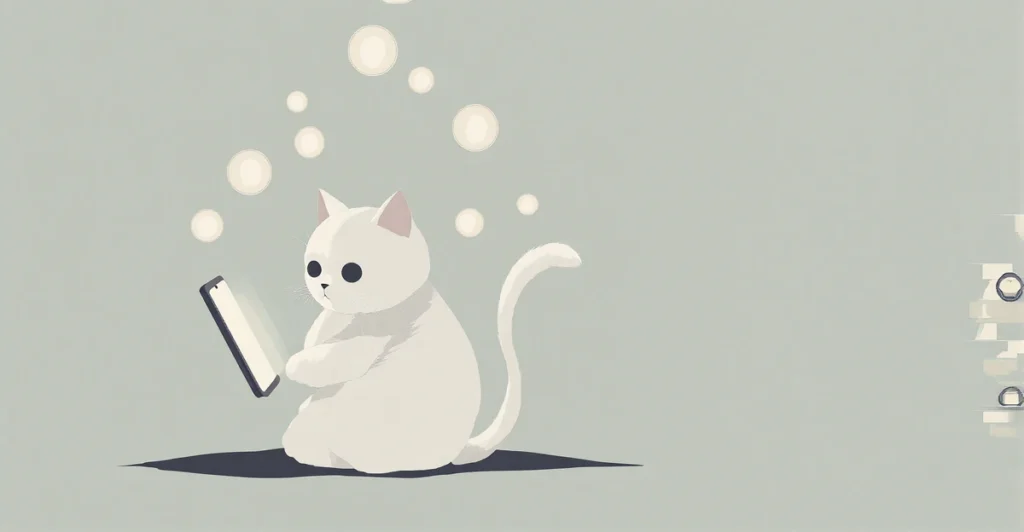
Your phone buzzed 47 times before lunch. Most of those notifications meant nothing. But you checked every single one.
There is a word people use now: “notification addiction.” It sounds dramatic until you calculate how many times per day you unlock your phone without a specific reason, or how long you can sit in silence before instinctively reaching for a screen. If that habit feels familiar, it may be worth examining. The casual label is not a diagnosis.
Digital detox culture has been growing steadily since around 2019, but it accelerated hard after the pandemic. Millions of people who had spent two years entirely online emerged blinking into real life and realized they had forgotten how to be bored. Or how to eat a meal without photographing it first. Or how to have a conversation without half a brain running a background process on what to post later.
Why Boredom Is Not the Problem
The standard advice around digital detox tends to frame the issue as too much screen time. Put the phone down, go outside, read a book. That framing misses something important.
Duration is only part of the issue. An interruption can break up a train of thought even when checking the message takes seconds. In a 2008 experiment, Gloria Mark and colleagues found that interrupted participants compensated by working faster, but reported more stress, frustration, time pressure, and effort. That does not mean every notification costs everyone exactly 23 minutes of recovery.
Forty-seven little invitations to stop what you were doing can still make for an exhausting morning. No dubious multiplication required.
The useful question is how your own day feels: can you finish a thought, or are you constantly reopening it? You do not need a diagnosis to decide that fewer interruptions would be welcome.
The Apps Are Not Broken. They Are Working.
What makes this harder than ordinary habit change is that the behavior is not accidental. Infinite scroll, variable reward mechanics, notification defaults set to maximum, read receipts that create social pressure to respond immediately. These are deliberate design choices.
The term most commonly used in tech circles is “engagement optimization.” What it means in practice is that the product is designed to maximize the time you spend inside it, often at the expense of your ability to do anything else. The design playbook draws directly from behavioral psychology research on variable-ratio reinforcement schedules, the same mechanism that makes slot machines difficult to walk away from.
This is not a conspiracy theory. Former design ethicists at major tech companies have described it in detail publicly. The Center for Humane Technology, founded by ex-Google design ethicist Tristan Harris, has spent years documenting it. The argument is not that tech is evil. It is that incentives drove products toward engagement at the cost of wellbeing, and that the downstream effects are now visible enough that ignoring them requires effort.
What Actually Works
Digital detox as a concept sometimes gets dismissed because the mainstream version of it is a vacation. Spend a week at a cabin without WiFi, come back refreshed, immediately check your notifications. The underlying behavior patterns are unchanged.
What seems to work better is structural friction. Making the habitual thing slightly harder, rather than trying to resist it through willpower alone. Some practical experiments to try:
Batch your notifications. Turn off all non-critical push notifications and check them on a schedule, twice a day. The world does not move fast enough to require real-time response to most messages. Keep urgent contacts available and choose a schedule that fits your work and responsibilities; there is no universal percentage reduction to promise.
Grayscale mode. If bright icons keep pulling you back, try reducing their visual appeal. Treat it as a personal experiment, not a guaranteed cure. Keep color available when it helps you navigate or interpret information.
Physical distance defaults. If reaching for the phone keeps you awake, try charging it farther away. Keep medical alerts, accessibility needs, and emergency calls in mind. The point is to remove an unwanted habit, not make your life harder.
Designated analog time. A specific block of time each day where screens are off and something physical happens. It does not need to be meditation or journaling or any wellness-coded activity. Walking, cooking, drawing, fixing something. The purpose is practicing sustained attention on something that does not refresh.
The Quiet Hobbies Comeback
There is a cultural undercurrent worth paying attention to here. Across several demographics, but particularly among people in their twenties and thirties who grew up online, there has been a quiet revival of hobbies that require presence.
Ceramics. Film photography. Letterpress printing. Sourdough baking during the pandemic was partly a joke but it was also genuinely people discovering what it felt like to make something with their hands over a period of time that resisted compression. You cannot speed up sourdough. It takes as long as it takes, and the whole process requires you to pay attention to a physical thing that does not send notifications.
This connects to a broader conversation about what algorithmic curation does to our experience of culture. When every media experience is optimized for your existing preferences, the rough edges that introduce you to things you did not know you wanted get smoothed away. Analog hobbies resist this. A book you find at a used shop is not algorithmed to you. Neither is a sport you try because a friend invited you, or a recipe you make because you had leftover ingredients.
What This Is Not
A clarification: this is not an argument that smartphones are bad or that the internet ruined everything. Both of those framings are too simple to be useful.
Smartphones are also how people stay in contact with family across distances, navigate unfamiliar cities, access health information, find work, and coordinate logistics that would otherwise be impossible. The technology is genuinely useful. The problem is not the existence of the technology but the specific design choices made in building the software that runs on it, combined with the difficulty of using powerful tools without letting them use you back.
The goal is not detachment. It is intentionality. Checking your phone because you want to versus because the phone has trained you to reach for it without deciding to. The difference sounds small. It is not.
One useful reframe: instead of asking “how do I use my phone less?” ask “when does my phone use feel good and when does it feel bad?” Most people have a clear answer once they pay attention. Calling a friend feels different from doomscrolling at midnight. The question is building a life where the first happens more and the second happens less, which is mostly a design problem, not a willpower problem.
You cannot solve a design problem with discipline alone. You need to redesign.
A Few Practical Starting Points
If you want to try something this week without committing to a full overhaul:
- Turn off nonessential social media notifications. Keep exceptions you actually need, and check the rest when you decide to.
- If you do not need it nearby for essential alerts, try charging your phone away from the bed and notice whether your evenings feel different.
- Pick one analog activity and do it once a week for a month. Notice whether you get better at it. Notice whether you want to keep doing it.
None of this requires a retreat or a week offline. It requires deciding, a few times, that your attention belongs to you. Which it does, regardless of what the engagement metrics say.