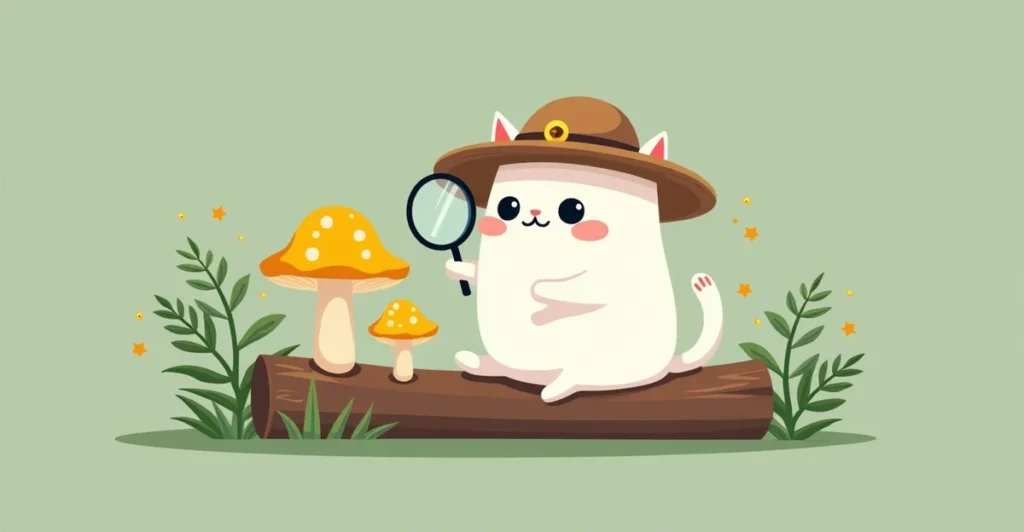
Somewhere in a Wisconsin woodland, a bright yellow mushroom is making an unexpectedly persuasive argument against judging ecological consequences by how nice something looks in a frying pan.
The golden oyster mushroom, Pleurotus citrinopileatus, is an edible species native to eastern Asia. It is also spreading outside cultivation in North America. Being good for dinner and being a good neighbor in a forest are, it turns out, separate qualifications.
A Grow Kit Does Not Come With a Fence for Spores
The visible yellow clusters are only the fruiting bodies. Much of the fungus lives as mycelium in wood, while spores offer a route to new locations. A cultivation project can be carefully contained in someone’s plans without remaining contained in the landscape.
In its October 2025 warning to growers, the University of Florida described records across more than 25 US states. Research cited there places the species’ appearance in the wild in the United States around the early 2010s. That does not identify one guilty grow kit or one original escape.
The distinction is worth keeping. “Escaped from cultivation” is a supported explanation for its spread. “Escaped from a particular kitchen” is the opening of a mushroom detective novel.
What the Wisconsin Study Found
A 2025 study led by Aishwarya Veerabahu examined fungal communities in dead elm trees. Researchers sampled 26 trees, selected with and without visible golden oyster mushrooms, and used DNA methods to investigate what was living in the wood.
They found altered community composition and substantially lower fungal richness associated with the invader. The widely reported “about half” comparison concerns fungal diversity in sampled trees. It does not mean half the biodiversity of North American forests has vanished.
That smaller, more precise claim is still concerning. A dead tree is habitat, not an empty piece of timber awaiting the first mushroom with good branding. The researchers’ results suggest that the newcomer can change who else occupies that habitat.
Why Dead Wood Is Not Dead Weight
Wood-decaying fungi participate in decomposition and nutrient cycling. Changing the community therefore raises questions about the processes happening inside a fallen trunk, as well as the names on a species list.
The Florida researchers identify decomposition and carbon cycling as possible consequences needing attention. That is not a measured continent-wide emissions figure, and the study does not establish that every affected woodland will respond identically.
Science often proceeds this way: an observed change opens a set of questions. It would be tidier if the mushroom arrived with a forecast of its ecosystem effects attached to the packet. It would also be considerate if it read the forecast before spreading.
Edible Does Not Mean Ecologically Harmless
The golden oyster is not malicious. It is just extremely good at being a mushroom. The same biological resilience that makes organisms fascinating can become a problem when we move them into a different setting.
This story is not an argument that mushrooms as a group are dangerous, or that every introduced fungus behaves the same way. It is a reminder that a familiar food can deserve ecological scrutiny without becoming a cartoon villain.
What Growers Can Take From This
The researchers emphasize monitoring, education, and using local mushroom species to reduce the chance of further introductions. For a home-growing project, consider ecological suitability alongside yield and appearance, and seek regional advice before growing a non-native species outdoors.
Once a species is established across a landscape, preventing its original escape is no longer an available option. That makes the quiet decisions before cultivation rather important, even if they are less photogenic than a magnificent yellow harvest.
We have not lost an entire kingdom to one mushroom. We have evidence that moving a popular cultivated species can disrupt native communities, including communities most of us never notice. The golden oyster remains bright, beautiful, and indifferent to whether we have finished thinking this through.