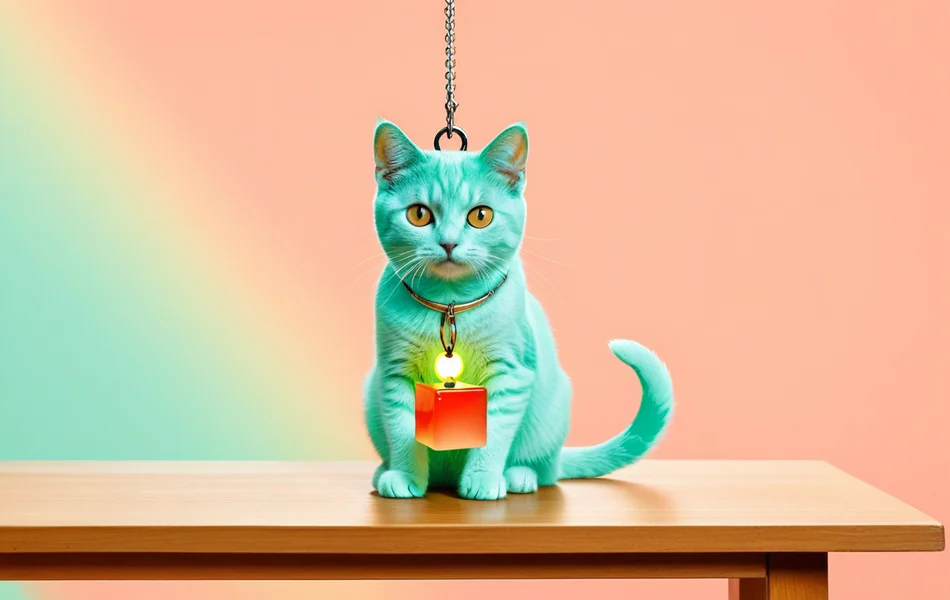
A Thai maker has found a way to turn one of a holiday’s least welcome souvenirs into one you can attach to your keys: a dead mosquito in a glow-in-the-dark keychain.
In an April 30 report carried by The Star from The Straits Times, the creator, known online as Lee, said she had earned 10,000 baht from the creations. That is her reported earnings, not a published profit statement or a recurring daily income.
The joke arrives almost fully assembled. An insect spends its life trying to ruin your evening. You respond by putting it in a tiny souvenir. Revenge tourism, now available with a keyring.
A Viral Object With Actual Work Behind It
The report describes an April 21 TikTok post, keychains priced at 149 baht, and interest from foreign visitors. It also describes the work of preparing and preserving the insects, which Lee said could take days and did not always produce a usable specimen.
That last part is easy to lose in the irresistible business pitch. The mosquito may arrive without an invoice, but the object still requires materials, time, and a successful result. Tiny does not mean effortless.
Lee reportedly sought people to supply dead mosquitoes, then withdrew that request after receiving an offer of a free supply. The unexpected shortage in this story is not the global existence of mosquitoes. It is the maker’s ability to obtain and prepare enough suitable ones for a novelty product.
The Buyer Is Paying for the Punchline
A conventional souvenir tells you where someone went. This one also tells a story about what happened while they were there, or at least what they remember being annoyed by.
There is a particular satisfaction in shrinking a familiar nuisance into something harmless-looking and decorative. The insect that once commanded the entire room’s attention is now sharing pocket space with a supermarket loyalty tag. A dramatic fall in status.
That is my reading of the appeal, not a survey of every customer. Some may simply like strange objects. Others may enjoy the glow effect, the craft, or the conversation that follows when a friend notices what is inside.
The point is that the raw material is not the whole product. A joke can be part of what somebody buys, just as much as the physical item carrying it.
Why This Travels So Easily Online
The concept is quick to explain and gives people an immediate reaction: amusement, disgust, admiration, or a strongly worded request to stop showing them insects.
That makes it well suited to short-form video. The audience does not need a long tutorial before understanding the reveal. A small object can do a lot of narrative work if its premise is clear.
There is a related crossover in internet jokes becoming physical collectibles. The object carries a reference that its audience recognizes, and owning it becomes another way to participate. The mosquito version has the advantage of requiring no explanation of an elaborate fictional shark with shoes.
Virality is not the same as lasting demand, though. A widely viewed clip does not tell us how many people ordered, whether they returned, or what the maker earned after costs. The funny origin story should not be mistaken for a business forecast.
A Souvenir, Not an Environmental Solution
It is tempting to award this idea every available prize: pest control, recycling, effortless income, possibly world peace. The reporting supports a novelty craft business, which is already quite enough.
It does not establish the product’s environmental footprint, prove that nobody raises any ethical objection, or show that selling specimens has no possible consequences. Nor does embedding an insect turn the keychain into a mosquito-control program. We can enjoy the absurdity without asking it to solve public health.
For the same reason, a prediction that copycats or customs disputes will definitely appear next month would be speculation. An internet story can remain a good story without an imaginary sequel attached.
The Pudgy Cat Take
The nicest part is the scale. There is no need to pretend the creator has discovered an entirely new economy. She has made something unusual that people apparently want, and the work of producing it continues after the joke has finished doing its rounds.
Our imagined startup version would immediately announce a mosquito platform, three subscription tiers, and an investor deck describing the total addressable swamp. The real craft object is more appealing.
Sometimes the product pitch is simply a mosquito in a keychain. You understand it, you have an opinion, and you will probably remember it the next time one buzzes past your ear.